Lazarus Rose-The Rose that Grows

Starbright Floral Design issued a press release today proudly announcing the long-awaited arrival of the Lazarus Rose.  The Lazarus Rose is a genetically engineered rose developed by Starbright that grows roots and is ready to be replanted in practically any pot or garden.  It is the dawn of a new day for rose buyers in NYC.  No longer will the roses purchased for a loved one today be contributing to the City’s gigantic trash problem tomorrow.  Rather than becoming a neighborhood blight the Lazarus rose is destined to beautify our great city with thousands of new rose bushes in its first year alone.  The full press release is being republished herein for informational purposes:


PRESS RELEASE

Starbright Floral Design Kicks Off the “Lazarus Rose”. The Most Significant Product Launch since the advent of air travel and genetic engineered plants.
NEW YORK — April 1, 2015 — At a press conference at Starbright headquarters in the heart of New York City’s historic flower district, Nic Faitos , Starbright’s Managing Partner, in association with the Dutch Flower Marketing Association (an industry group whose mission is to promote flower buying throughout the world), announced the availability of the “Lazarus Rose”. A new rose variety that allows the recipient to plant the stem in a garden once the bloom from the arrangement has wilted and create a new rose awaiting to be planted. The concept was conceived by the creative minds of the Go Green Project and designed through many years of collaboration between the finest botanists in the world with Dr. Nisan Sakasi as the lead scientist.
Today’s announcement that the “Lazarus Rose” is available to retail customers of Starbright and volume licensing customers marks the beginning of the most significant product launch in our company’s history and perhaps since Barbara McClintock’s discovery of “Jumping Genes”. The “Lazarus Rose” will be available to retail customers effective immediately. Availability to NYC organizations with volume license agreements will begin shortly but initial supplies are limited to retail customers with Starbright Loyalty Club membership. Volume customers will be supplied for orders FOB New York City for delivery before Mother’s Day and beyond.
Through chromosome engineering, more fully discussed in the science section herein, Turkey’s premier botanist Dr. Nisan Sakasi was able to develop a rose which begins to regenerate as soon as it is clipped. The result is the growth of roots at the cutting site. Currently the Lazarus Rose is limited to the Afrilu Wawaye variety of rose. Accordingly, the price of the Lazarus Rose is for upscale clientele.
Customer feedback through Starbright’s web site, starflor.com , guided product development. “This is a game changing product,” Faitos said. “It’s an incredible step forward in the floral industry with ramifications that are yet unknown but undoubtedly far-reaching. Accordingly, in a press release under separate cover, we’ve announced the formation of a joint venture between Starbright and The Dutch Flower Marketing Association to fully explore the wide-ranging uses of this exciting innovation.” Said Faitos.
First Users See Clear Business Value
Joining Faitos at Starbright’s headquarters was Poisson D’Avril, the president of the Hospitality and Tourism Association of Greater New York.
“In the highly competitive and fast-moving hospitality industry, our advantage comes first from our people and second from everything NYC has to offer. You can add the Lazarus Rose to the list of incomparable NYC attractions.” Said D’Avril. “Nic has allowed several of our higher end venues offer the Lazarus Rose prior to its official release. The response has been extraordinary. Finally, something to give to that person who has everything!”
Original Science
“The ovules of a rose are mega sporangia and typically develop into female gametophytes. These gametophytes give rise to egg cells which, in a typical rose holds the pollen.” Said Dr. Nisan Sakasi. “In the transgenic rose, called the Lazarus Rose, through chromosome engineering, our team was able to develop a rose that has characteristics of an African Violet and behaves like a clipping from an African Violet. The mature egg cells of the African Violet and the Rose are split through chemical mutagens and combined through protoplast fusion. The genetic recombination leads the rose to react just like African Violet clippings that are placed in a propagating agent. The agent used with the rose is simply water with a few pieces of horticultural charcoal placed in the bottom of the container.” Said Dr. Nisan Sakasi. Transcripts of Dr. Nisan Sakasi full procedures are available upon request.
On the Road to the Future
“During the last decade, Starbright has built an impeccable reputation in the floral industry with unsurpassed customer service.” Faitos said. “Although we have been at the forefront of technology, the new product announced today is the most innovative product we’ve ever been involved with, and I believe it signals the beginning of a new wave of innovation that will have a profound impact during the next decade.” Said Nic Faitos, President of Starbright Floral Design.
Located in the heart of NYC’s flower district and founded in 1994, Starbright Floral Design has established the gold standard for customer service within the floral industry. The Company has grown steadily every year since its inception. The Lazarus Rose and other innovative products being worked on currently, has Starbright on the threshold of exponential growth for the coming years.
Web links, telephone numbers and titles were correct at time of publication, but may since have changed. For additional assistance or information, journalists and analysts may contact cs@starbrightnyc.com. To become a volume licensee, kindly contact cs@starflor.com. Visit us on the web at starflor.com or visit our Lazarus Rose Informational Portal.

Roses
Lazarus Rose- (engineered Afrilu Wawaye rose)


Starbright Floral Design is the “Official Florist of the City that Never Sleeps” and most of the time we deliver flowers, love, passion and hope everywhere in Manhattan and worldwide.

T. 800.520. 8999

Phaleonopsis Orchids in NYC – Classic Elegance

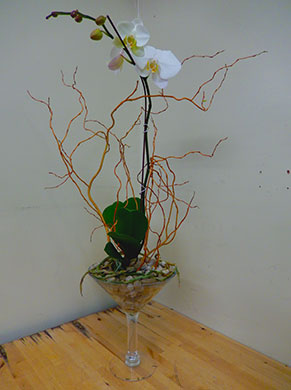
Orchid plants in NYC are a staple of interior design.  Whether decorating an office or an apartment in NYC, orchids can be a major design element.  Starbright has been delivering orchids in NYC since our inception.  Our NYC residential clientele and commercial clientele alike, have fallen in love with our orchid plant maintenance in NYC program. Each Phaleonopsis Orchid plant is maintained by our plant specialist on a weekly basis to insure continuity in appearance and budget. Starbright’s maintenance program allows you to enjoy the fruits of nature without its unpredictability. Here are a few non-traditional orchid plant presentations exclusive to Starbright Floral Design.

modular Phalaenopsis Orchids

orchid-martini-445x390
Not Shaken, Not Stirred and No Olives!

Choose from a vast array of orchid plants in NYC from Starbright’s NYC orchid plant spectacular.

This scribe is brought to you by Starbright Floral Design, NYC, Voted NYC’s “Best” florist.  Along the way we try to find and write about the fun side of flowers in NYC.  Starbright Floral Design NYC delivers flowers all over the world for the endless romantics everywhere.

Starbright Floral Design is the “Official Florist of the City that Never Sleeps” and most of the time we deliver flowers, love, passion and hope everywhere in Manhattan and worldwide.

Give us a call, visit our website or pop on in!  We would love to meet you….


Passionately yours,

Starbright Floral Design

Located in the heart of New York City’s Historic Flower District

150 West 28th Street, Studio 201, New York, NY 10001

T. 800.520. 8999

E-commerce portal: www.starbrightnyc.com


March Flower Files: Daffodils

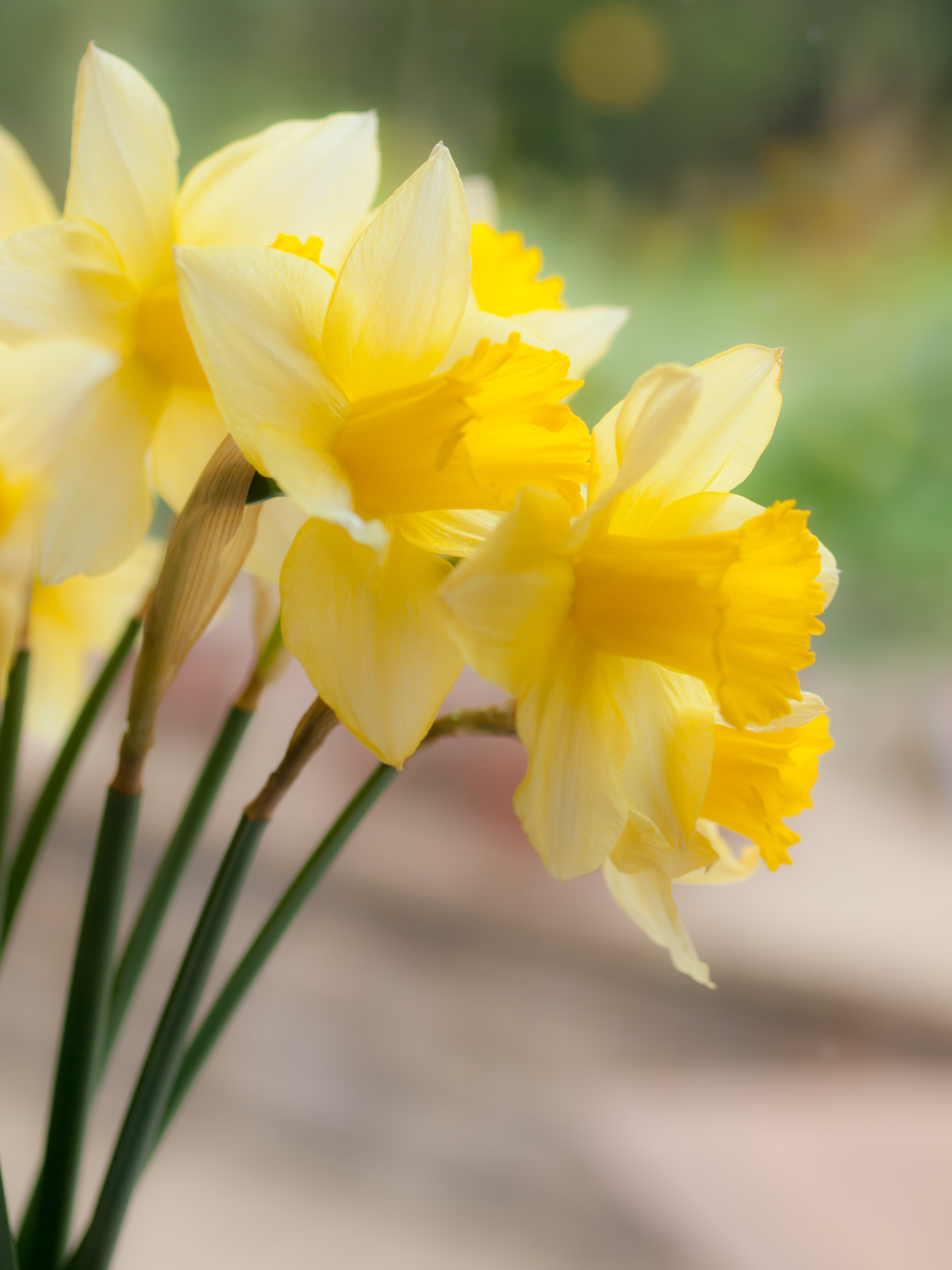
Daffodils
“Daffodils” by William Warby

NYC Floral enthusiasts rejoice! The beloved daffodil is back in season. Here at Starbright, we’re prepping the stems and getting ready for Spring!


Daffodil Notes /

Daffodils are often considered to be some of the sunniest flowers around; they are among the first wild flowers to appear in Spring and are the official flower of the month of March. They are most commonly found in yellow or white, though orange and pink varieties exist as well. The unique shape of the bloom, with its six petal-like tepals surrounding a trumpet-shaped corona is easy to identify though it is called by many names including: narcissus, jonquil, and daffadowndilly.

Daffodils are native to the Mediterranean. They were initially brought to England by the ancient Romans who believed the blooms had medicinal properties…which is not at all true. The flowers have toxic crystals that can irritate the skin, repel garden pests, and even wilt other flowers in the same vase unless treated properly.


Inside Info /
  • Daffodils are some of the first flowers to bloom; they can actually grow straight through the snow
  • Bring a bundle of daffodils to a friend, but never a single bloom. One daffodil on it’s own predicts misfortune!
  • Daffodils are a symbol of hope and friendship today.


Starbright Logo


Looking for flowers in New York City? Visit our Event Gallery for inspiration. Or see our daily selection at Starbrightnyc.com.

The NYC Starbright Team shows off their favorite roses

Sending Love With Roses

Roses and Valentine’s Day are basically synonymous. Starbright Floral Design has a ton of rose varieties to make your offering unique. We talked to some floral veterans in the shop to find out which rose varieties still take their breath away.

Can you match these popular rose varieties to the correct picture?

Green Tea – Campanella Peach – Black Magic – Vendela – Circus Rose – Deep Purple – Hot Lady – Sweet Unique – Cherry Brandy

Loving Hands
Can you guess the name of our favorite rose varieties?

Scroll to the bottom for answers!

What’s Color Got Do With It?

Roses each have a unique meaning associated with their color. Here’s a quick helpful guide to selecting the right rose color for your Valentine!

RED

Love, beauty, courage, respect, and most importantly – romance!

WHITE

Purity, Innocence, Secrecy, Reverence, Humility, Youthfulness, “I am worthy of you”

PINK

Appreciation, Grace, Perfect Happiness, Admiration, Gentleness

YELLOW

Joy, Friendship, Promise of a new beginning, Welcome Back, Remember Me, Jealousy, “I care”

ORANGE

Desire, Enthusiasm

PEACH

Appreciation, “Let’s get together”, Sincerity, Gratitude

LAVENDER

Love at first sight

BLUE

The unattainable.  No blue roses are available in nature!


No matter the color, or arrangement style, all Valentine’s Day flowers from Starbright Floral Design are sent with love!


Starbright Logo


Looking for flowers in New York City? Visit our Event Gallery for inspiration. Or see our daily selection at Starbrightnyc.com.


1. Deep Purple 2. Hot Lady 3. Vendala 4. Black Magic 5. Cherry Brandy 6. Circus Rose 7. Sweet Unique 8. Gotcha? It’s a Succulent! 9. Hot Lady 10. Green Tea 11. Campanella Peach


NYC Plant Files: Lemon Tree

Lemon Tree
Lemon Tree
Lemon Tree Notes /

Lemon trees are a vibrant addition for any NYC home that has a bit of extra room. These small evergreens grow to be about three to five feet tall and will keep their color year-round. A number of popular indoor varieties will bear fruit with some regularity after they have matured (lemon trees take three or more years to mature when grown from a seed!). Starbright Floral likes to recommend the Eureka variety because it regularly produces flowers and fruit year-round. Meyer lemons are another popular variety, though they are actually a cross between a lemon and either an orange or a mandarin. Meyer lemons bear a slightly sweeter lemon-alternative primarily in fall and winter. If fully grown, these fruit factories can produce up to six hundred pounds of lemons a year! To thrive, lemon tree need lots of light and a draft-free life. They’re worth the effort. Some studies show that the smell of lemon helps enhance mood. Read more about plants and feng shui here or how smell can effect a mood here, or even this about how the color green can help revitalize your energy.

Lemon Tree History/

Lemon Trees are thought to have first grown in Assam, Burma, and China and may actually be a cross between a bitter orange and a citron. By 900CE, lemon trees had spread throughout most of the known world. Used for medicine, cleaning, cooking, and decorating, lemon was an important crop for the Mediterranean. For early sailors, including Christopher Columbus, lemon was crucial to preventing scurvy. When the early european ships sailed to the New World, lemon seeds went along for the ride.

Lemon Tree Inside Info /
  • Bright yellow lemons are ripe and ready to be eaten, while lemons with a little bit of green may continue to ripen on the tree or be picked and stored until they are a uniform yellow.
  • Lemons are toxic to cats and dogs; it will upset their stomachs and moods.
  • The heaviest lemon ever grown was recorded in Kefar Zeitim, Israel. It weighed 5.265 kg (11 lb 9.7 oz), had a circumference of 74 cm (29 in) and was 35 cm (13.7 in) high. Guinness World Records 2013.


Starbright Logo


Looking for flowers in New York City? Visit our Event Gallery for inspiration. Or see our daily selection at Starbrightnyc.com.

NYC Flower Files: Ornithogalum

Ornithogalum
Ornithogalum arabicum
Ornithogalum Notes /

NYC flower shops love this unique bloom. The designer’s at Starbright are no exception.  To see an example of a NYC Flower arrangement containing Ornithogalum see herein. These readily available blooms are a favored addition to Starbright’s weekly flowers in NYC program for their extra long vase-life.   There are four common varieties of of ornithogalum that tend to show up in cut flower arrangements. The difference between these blooms is primarily in the shape of the flowering head. Conical and drooping or round like a button, most ornithogalum blooms have delicate white petals and a striking black center; the exception is ornithogalum dubium whose petals range from yellow to bright orange. Ornithogalum is native to Africa and Eurasia, but it’s long bloom-time and sweet smell have made it a garden favorite worldwide. However, with the help of pollinating bees, some of these garden varieties have crossed their fences and become invasive species.

Ornithogalum Flower Meaning/

Ornithogalum arabicum is often referred to as star of Bethlehem or Arabian star flower. Because of this biblical association, many people prefer this blossom for it’s symbolic representation of purity, hope, and happiness. Ideal for a romantic bouquet, ornithogalum is favorite of old-time romantics.

Ornithogalum Inside Info /
  • Some varieties of ornithogalum can be toxic if ingested and others may cause skin irritation if handled for prolonged periods of time. Be careful of this lovely bloom around children and animals.
  • Popular names for ornithogalum include Star of Bethlehem, Nap at Noon, Snowdrop, Arabian Star Flower,  Eleven-o’clock Lady, Sleepydick, Arabian Star Flowers.

Starbright Logo


Looking for flowers in New York City? Visit our Event Gallery for inspiration. Or see our daily selection at Starbrightnyc.com.

NYC Flower Files: Delphinium

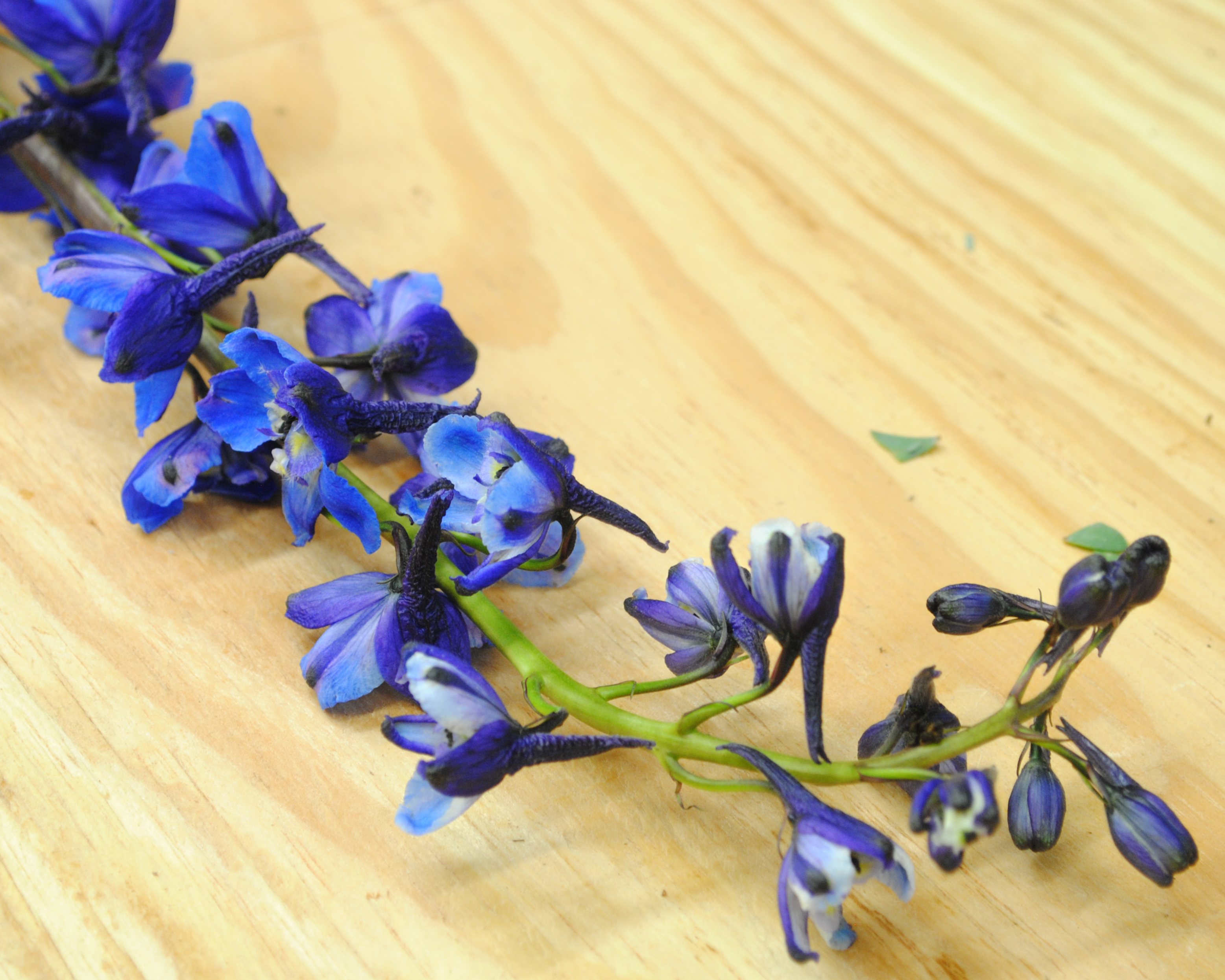
Delphinium
Delphinium
Delphinium Notes /

NYC flower shops adore the delphinium for its vibrant blue hue.  The designer’s at Starbright are no exception.  They are a long lasting flower and are ideal to be incorporated in Starbright’s weekly flowers in NYC program. This popular bloom is commonly known as larkspur, but in the shop we call it Delphinium. Delphinium is a large genus of about 300 species of flowering plants that are all categorized in the family Ranunculaceae. Yes, that’s right, despite appearances, the Delphinium is actually a member of the buttercup family (as is the ranunculus, anemone and a bunch of other favorites flowers around the shop). There is a lot of variety amongst the Delphinium genus. Depending on the variety, a delphiniums bloom stalk can be as short as 4 inches to as tall as 2 meters. There are also a variety of colors available, though the classic blue is one of Starbright Floral Design’s favorites, Delphinium varietals can also be available in purple, pink, yellow, and white.

Delphinium Flower History/

Delphinium recieved it’s names from the ancient Greeks who thought that the shape of the nectary looked like that of a leaping dolphin. Many years later, in England, the Delphinium received a new nickname – larskpur – because the shape of the nectary resembled a larks claw. Their popularity increased from there and many hybrids were bred from Delphiums sourced from all over the world. Today’s common delphinium is a product of much cultivation. It is a common flower in gardening shows and is often featured in displays or specialized competitions.

Delphinium Inside Info /
  • Parts of delphinium plants have been used to create blue dyes and inks.
  • Delphinium is highly toxic to people and animals


Starbright Logo


Looking for flowers in New York City? Visit our Event Gallery for inspiration. Or see our daily selection at Starbrightnyc.com.

Starbright NYC Flower Files: Genisteae

Genisteae

Common Broom
Genisteae, Common Broom

Broom Commercial Use /

With it’s small flowers and slender greens, genisteae, also known as broom, has a uniquely airy appearance and sweet smell. Cut broom will last about a week in an arrangement. Top Florists in NYC, including Starbright Floral design, love to use this accent flower in arrangements calling for fragrance. To guarantee longevity of cut broom, and many other flowers, keep these blooms away from ripe fruits and drafty windows.

Broom Notes /

The Broom family of plants include evergreens (plants that are green year-round), semi-evergreens (plants that keep their leaves through winter, replacing them in spring), and deciduous shrubs. The Genisteae family – Brooms are a member – dates all the way back to the Paleogene Period. Genistae are native to many continents in one form or another, but the greatest diversity found among broom plants can be found in the Mediterranean. But wherever they grow, many broom plants share similar characteristics – small leaves and fragrant flowers fixed to flexible slender green stems. The broom flowers are generally yellow, white, orange, red, pink or purple.  

Broom History/

Wayyyy back in the 12th century Geoffrey V, the Count of Anjou, leaned over and plucked a yellow broom plant from the rocky ground and fixed it into his helmet before leading his men into battle. This gesture led to the nickname Geoffrey Plantagenet – Plantaganet can roughly be translated as “Plant Genistrae.” When Geoffrey V later became the Duke of Normandy through conquest, and then the husband of empress dowager Matilda, he became the father of the Plantagenet family. The Plantagenets would go on to rule Britain for 300 years. The conflict that ended their rule was called, believe it or not, the “War of the Roses.”

Inside Info /

Broom has a number of applications, here are some of our favorites :

  • Broom contains tannin, which once-upon-a-time was used to curing leather.
  • Broom branches are slender and flexible. This made them ideal for early sweeping utensils and basket weaving.
  • Though we now consider broom toxic, the seeds were once roasted and used as a substitute for coffee; young shoots were used to replace hops in beer production.
  • Broom can actually help the environment by removing nitrogen from the air.

Starbright Logo

Looking for flowers in New York City? Visit our Event Gallery for inspiration. Or see our daily selection at Starbrightnyc.com.

Flower File : Kochia Scoparia

Kochia
Kochia Scoparia

Kochia Scoparia

Commercial Use/

Discerning NYC flowers buyers incorporate the Kochia as an accent green to flower arrangements. The Kochia is sought after for its color and texture.  Starbright’s NYC Flowers collection has many examples of the effect the inclusion of the Kochia has on flower arrangements.

Kochia Information/

Sometimes called burningbush, ragweed, or summer cypress, Kochia is probably most recognizable in it’s tumbleweed form. Kochia can grow over six feet tall and has stems that are highly branched and often tinted green or red. In the spring and summer, Kochia has fuzzy green/grey small leaves or lobes. In the fall, the grey/green color becomes a vibrant red before drying out. Once Kochia fully dries out, the plant breaks off at the stem and tumbles away to spread its seeds. The seeds that are spread by the tumbleweed have about a year to germinate – and they do! In many places, Kochia is a difficult to stop weed, but at Starbright Floral Design we love the texture of this plant and wish it was around more often!


Kochia History/

Kochia scoparia isn’t just any weed. Native to Eurasia, this plant has seen a lot of use. In Japan, the seeds of the Kochia are used for a food garnish called tonburi. In traditional Chinese medicine, Kochia has been used to help regulate disorders like hypertension and obesity.


Kochia Fun Facts /

  • Kochia has been suggested as an agent of phytoremediation because it is able to grow in soil with high levels of elements like mercury, silver, zinc, and uranium. Phytoremediation is treating environmental issues through plants.
  • Kochia is also a great weed for areas suffering soil erosion.

Starbright Logo

Looking for flowers in New York City? Visit our Event Gallery for inspiration. Or see our daily selection at Starbrightnyc.com.

FLOWER FILE : CARNATION

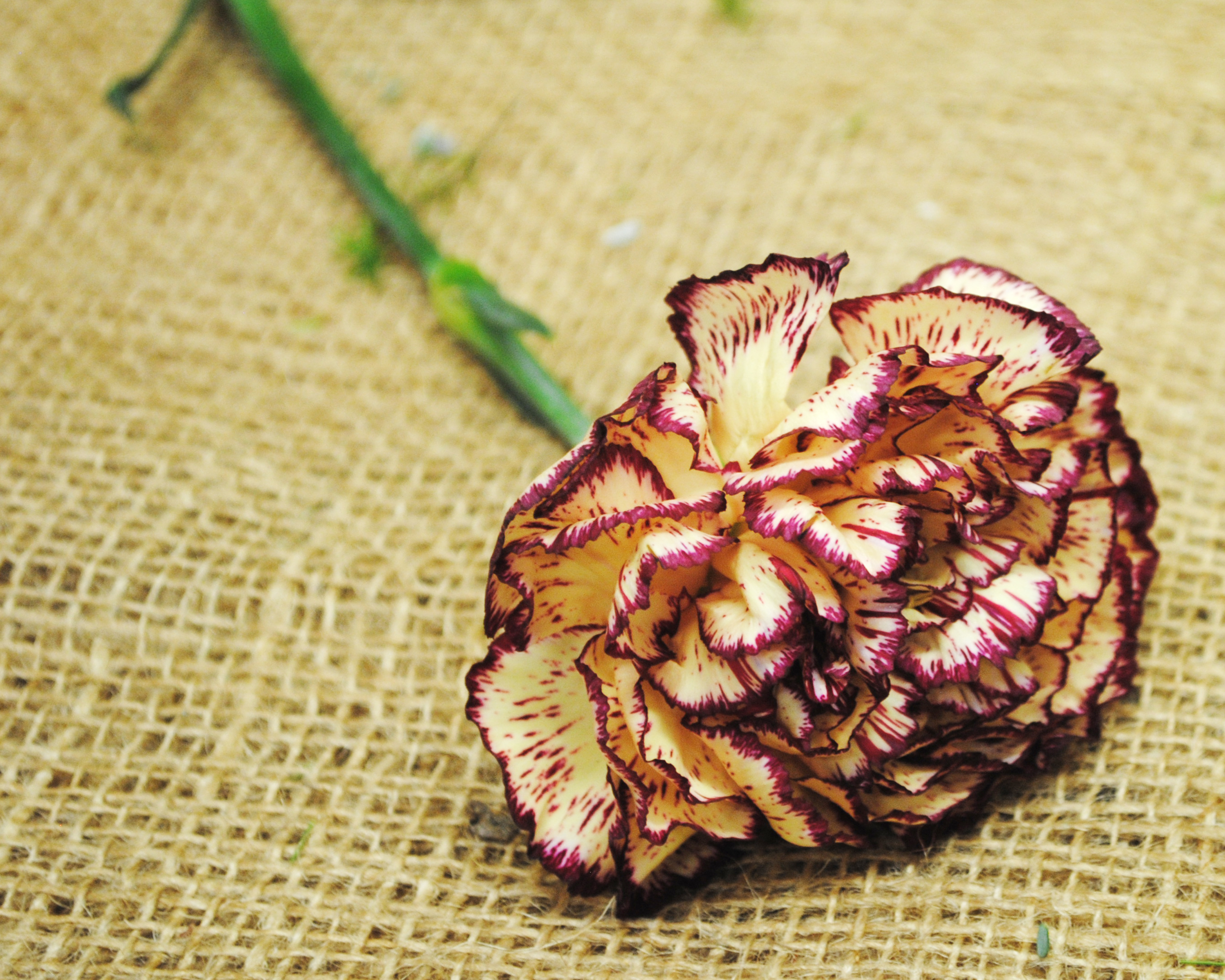
Carnation
Carnation

Carnations

Flower Notes /

Probably native to the Mediterranean, the carnation has been continuously harvested for over 2,000 years – along with jasmine and roses, carnations are among the three oldest “beauty” crops cultivated by ancient man. Carnations are very, very easy to grow – all they need is full sun, loose neutral soil and a little water. They’re full of symbolism, too – get them in white for someone who could use good luck, like a recent graduate, or for a going-away gift when someone changes jobs. The pink carnation stands for unforgettable love – especially from Mom! The purple carnation symbolizes unpredictability and wit, so it’s good for a birthday or bridal shower. Striped carnations symbolize regret – they’re ideal for funerals. The yellow blooms signify disappointment – this is the perfect bloom for a bouquet that says “I don’t want to date you anymore” (say it with flowers, right?) Be careful giving red carnations – while they stand for “deep love,” they also stand for “socialist” and “irregular military member,” depending on where you are.

Visual Notes:

Some people say that carnations almost look like folded tissue-paper, cinched in the middle and “fluffed up” around the cinch. Other people say these paper flowers look like carnations. Either way, carnations have a unique appearance and are available in a range of colors and patterns – this lets them stand alone in a simple arrangement, star in a busier arrangement, and support their fellow flowers when it’s another bloom’s turn to shine. They are the Ian McKellen of the flower world – they’re great in everything, and your grandmother probably loves them. And in case all the symbolism didn’t make it clear, carnations come in many different colors – your florist should be able to help you source exactly what you’re after.

Flower History Notes:

Since first being cultivated over 2,000 years ago carnations have become one of the most popular flowers in the world. The name comes from (most likely) one of two places – either from the ancient greek  “corone,” or flower garlands worn during formal ceremonies, or from the Latin word “caro,” which means “flesh” (the first carnations were light-pink). Not to get too political, but carnations are among the first GMO-crops – it didn’t take long before ancient farmer-scientists figured out how to breed (repeatedly and reliably!) a whole range of carnation colors.

Carnation Flower Fun For Kids or DYI Decor Needs :

You can make your own color changing carnations! All you need is some food dye, a glass of water (or two, for a special trick) and a white carnation. The basic principle is simple – cut flowers drink the water, the water carries the dye, the dye gets left in the petals. If you split the stem in two (make sure you use a good knife or pair of scissors – and make sure an adult does this part!) and stick it in two glasses with two different colors of water, you’ll get a two-colored flower. You can tell your young’n that the flower is drinking in response to evaporation. The plant is basically like a sponge – as water evaporates off the plant’s leaves and petals, more water moves up the stem to take the evaporated water’s place.


Starbright Logo


Looking for flowers in New York City? Visit our Event Gallery for inspiration. Or see our daily selection at Starbrightnyc.com.