Brightening Up With The Chrysanthemum.

Chrysanthamum
Chrysanthemum

Well, that’s it, it’s over – those long days of summer are gone. Even though our days are getting shorter and it’s almost always dark by the time we get home, here at Starbright, we’re finding lots of ways to brighten things up. Autumn flowers are winding down, but some of our very favorite staple flowers are at their peak: alstroemeria, carnations, lilies, and roses and most importantly – the flower of the month – the chrysanthemum.


The name “chrysanthemum” is derived from the Greek words chrysos (gold) and anthemon (flower). Don’t let its name fool you into thinking these guys are only available in the beautiful yellow/orange combo that is so common at this time. There are about 40 different species of chrysanthemums and countless varieties and cultivars that are available in a wide variety of colors, shapes, and sizes. Because of this overwhelming diversity, chrysanthemum plants are further described as being either a “garden hardy” or an “exhibition” variety and the bloom types can be further described as belong to one of the thirteen bloom forms recognized by the US National Chrysanthemum Society, Inc., which follows the international classification system.


According to principles of Feng Shui, Chrysanthemums are the floral representation of the Fall season and are ideal for brightening up a space. According to this practice, the cheerful presence of these blooms excites happiness and laughter. During the Fall season, displaying chrysanthemums creates especially good luck.


Here are five Feng Shui ways to use chrysanthemums to brighten up our days as they keep getting shorter!
  1. The showy, yellow, round-headed chrysanthemums are perhaps the most sought after due to their symbolic association with a life of ease.
  2. White and Yellow chrysanthemums are great for energizing “metal” spaces of the home which are associated with children, creativity, and helpful people.
  3. Chrysanthemums encourage tranquility and help to alleviate of grief and anxiety.
  4. Wish someone a long life and much contentment with a bouquet of chrysanthemums.
  5. Living chrysanthemum plants acts as indoors air filter, are easy to care for, and last will bloom for much longer than cut flowers – while having all the same symbolic perks of the cut flowers. Ask about Starbright’s Plant Boutique!


To make sure you get the most from your purchase, check out How To Care for Cut Flowers!


Starbright Logo


Looking for flowers in New York City? Visit our Event Gallery for inspiration. Or see our daily selection at Starbrightnyc.com.
Flower Files: Cabbage

cabbages
cabbages
Quick Notes /

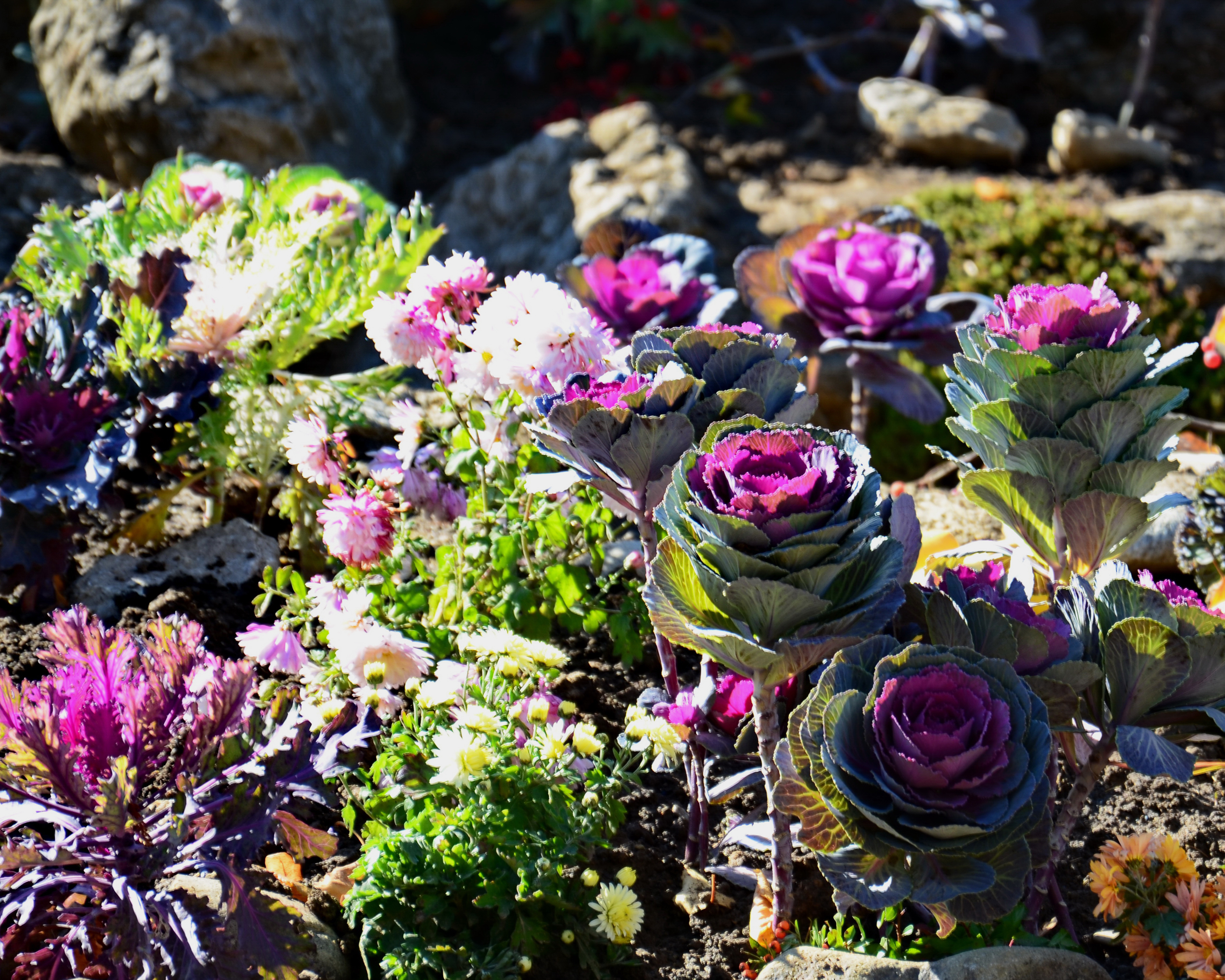
Cabbage, and yes, we’re talking about the vegetable here, is a great addition for an autumn arrangement. No, but seriously, despite their less than exotic origins, Cabbages have layers of leaves that overlap in a spiral pattern from the center of its head. The leaves can be either smooth or ruffled, open and large or tightly furled and resembling a rose. The alternating leaves can be lobed or wavy and even highly vained. There are varieties that feature a waxy coating on the leaves. And all of those great attributes come in a variety of colors. From the clean and classic white and green cabbage to the fancy purples and reds there’s a cabbage for all occasions. And while the cabbage plant grows really sweet, little yellow flowers, we don’t bother with them in arrangements. The big, bold, and hyper textural cabbage heads are far more our style.


Flower History/

Native to Britain and continental Europe, today’s cabbage were developed as a crop way back in before 1000 BC. As a food staple, cabbage made its way around the classical world and was greeted with either great devotion or great antipathy. Great people including Cato the Elder and Diogenes considered cabbage superior to all other vegetables. In Europe, cabbage found great popularity during the High Middle Ages, when other crops were in short supply. From Europe the crop spread to Mesopotamia to Egypt as a winter crop and from there it followed the trade routes  and continued to spread. There isn’t a lot of evidence that the colorful crop was used in a decorative manner, but here at Starbright, we can imagine that the purples and greens that last well after most flowers drop, have always been a sight for tired eyes. It isn’t a surprise that at some point, someone started cutting the smaller heads for filling vases.


Inside Info /
  • Babe Ruth used to place a cabbage leaf under his hat before each game.
  • The world’s largest cabbage was grown in 1865 in Durham, England by William Collingwood – it weighed in at a whooping 123 pounds!
  • At one time, Russian princes paid tribute not only with racing horses and jewels, but also with potted cabbage plants.

Gentiana

Gentiana
Gentiana, about to bloom


Quick Notes /

Gentiana is a genus of flowering plants with about 400 species! That’s a large species group! These blooms are most notable for the trumpet like shape and vivid coloring. While they are often brilliant blue in coloring, they can also be white, yellow, red. The main blooming season is Spring, but these flowers can rebloom throughout late Summer.

General Notes /

Gentiana are most at home in alpine environments.  These delicate flowers can be shy about blooming outside of their natural habitat. The stiff stems have oppositely arranged leaves, sometimes is a basal rosette. The flowers grow in groups, spaced along the stems. Gentiana is polymorphic and can bear blooms of multiple colors.

Flower History /

The name, Gentiana, is attributed to the Gentius, an Illyrian king who is attributed with having discovered the medicinal uses of the plant back around 500-1000AD. The plant’s medicinal uses vary from treatments for upset stomachs to easing depression – but don’t forget – the Gentiana in you floral arrangements are not for making teas, poultices, or any other edible concoction!

Insider Information /
  • Gentiana yields the most bitter chemical substance on Earth.
  • In Southeast Asia, there is a variety of gentiana that can grow up to 100 feet tall!


Starbright Logo


Looking for flowers in New York City? Visit our Event Gallery for inspiration. Or see our daily selection at Starbrightnyc.com.

Flower File : Crocosmia

Crocosmia
Crocosmia
Quick Notes /

A favorite flower in August, crocosmia is a common flower in the grasslands of southern and eastern Africa. In the United Staes, these lovely blooms are often referred to as Coppertips or Falling Stars. They grow as evergreens or as deciduous perennials and come back year after year to please the senses with their trumpet-like shapes and bright colors. 

The genus name is derived from the Greek words krokos, meaning “saffron”, and osme, meaning “odor” – from the fact that dried leaves of these plants emit a strong smell like that of saffron (a spice derived from Crocus – another genus belonging to the Iridaceae) – when immersed in hot water.

Visual Notes /

Crocosmia is distinctive for its colorful inflorescence in shocking orange and reds. The stems branch out and display a number of blooms along one side of each stem near the end and nod and sway gracefully above your flower beds or your late summer arrangements.  The Crocosmia leaves are long, pointy and have parallel veins along their length. They grow in clumps in bloom in a spectacular


Insider Information /

Crocosmia are great for attracting hummingbirds to your garden.

Starbright Logo


Looking for flowers in New York City? Visit our Event Gallery for inspiration. Or see our daily selection at Starbrightnyc.com.

Color Profile : Purple

Ever wonder where flowers got their “meanings”?

Color psychologist don’t. And they have loads of studies backing up their theories. The general model of color psychology relies on six basic principles:

  1. Color can carry specific meaning.
  2. Color meaning is either based in learned meaning or biologically innate meaning.
  3. The perception of a color causes evaluation automatically by the person perceiving.
  4. The evaluation process forces color motivated behavior.
  5. Color usually exerts its influence automatically.
  6. Color meaning and effect has to do with context as well.[1]

Over at Starbright Floral Design, we get to work with lots of colors everyday and all of us have our favorites. But why are they our favorites and what does that say? Up this week :

Purple


Purple Orchids
Triple Orchid Delight
What makes purple so special?

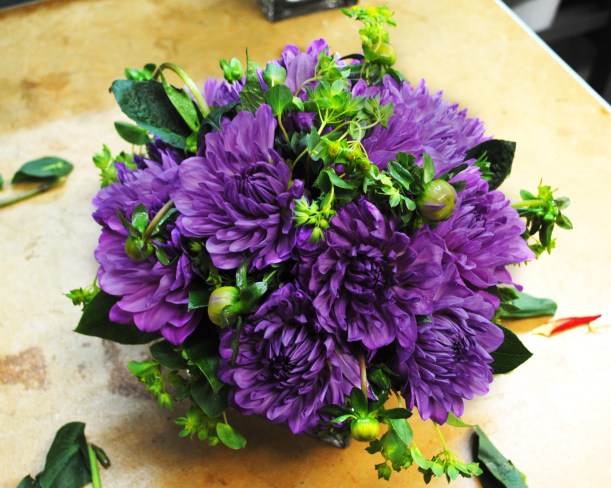
Purple is the color of harmony. It combines the spiritual aspect of blue with the powerful energy of red. This union of introspection and action makes purple flowers unique. They expand your imagination while simultaneously grounding you in reality. Purple flowers will connect you to your deepest thoughts, while quelling any anxiety that may arise alongside them.


For the Studio
Hydrangea and Orchids

Purple flowers are perfect for artists because they stimulate the imagination. Musicians, painters, designers, and all other creative types have a lot to gain from keeping a vase of purple flowers in their studios. Purple is the color of creativity. It encourages free and independent thought, thinking outside the box, and going against the grain. Purple flowers will bring a sense of the magical and mysterious into your studio. If you’re suffering from writer’s block, stop by and pick up a bouquet of purple flowers, and watch your imagination bloom.

For the Nursery
Purple Dahlia
Purple Dahliahhh!


Purple flowers are a great choice for decorating a baby’s room. The color purple evokes unconditional love and selflessness. It also encourages sensitivity. Purple flowers in a nursery will help cultivate compassion in your relationships with others, especially your children, or other people who depend on you. Do you find it difficult to be giving in stressful situations? Keeping purple flowers nearby will enhance your sensitivity to the needs and emotions of the people around you. At the same time, purple is the color of power. Purple flowers in your child’s room will give you the wisdom you need to maintain help the elusive balance between flexibility and control.


For Body, Mind, and Soul
Purple Rain
Purple Rain

Life is a constant struggle between highs and lows, the good and the bad, sickness and health, ups and downs. Purple flowers can help you find the middle road. They harmonize the body, mind, and soul. Purple flowers in your home or at work will help you feel grounded even in the craziest situations. They make the perfect centerpiece for your yoga studio or meditation space. Purple evokes the future while also grounding us in the present moment. Purple flowers will encourage you to chase your dreams instead of worrying about what could go wrong.


Starbright Logo  Looking for flowers in New York City? Visit our Event Gallery for inspiration. Or see our daily selection at Starbrightnyc.com.

Flower File : Asclepia

Asclepia
Asclepia
Quick Notes / 

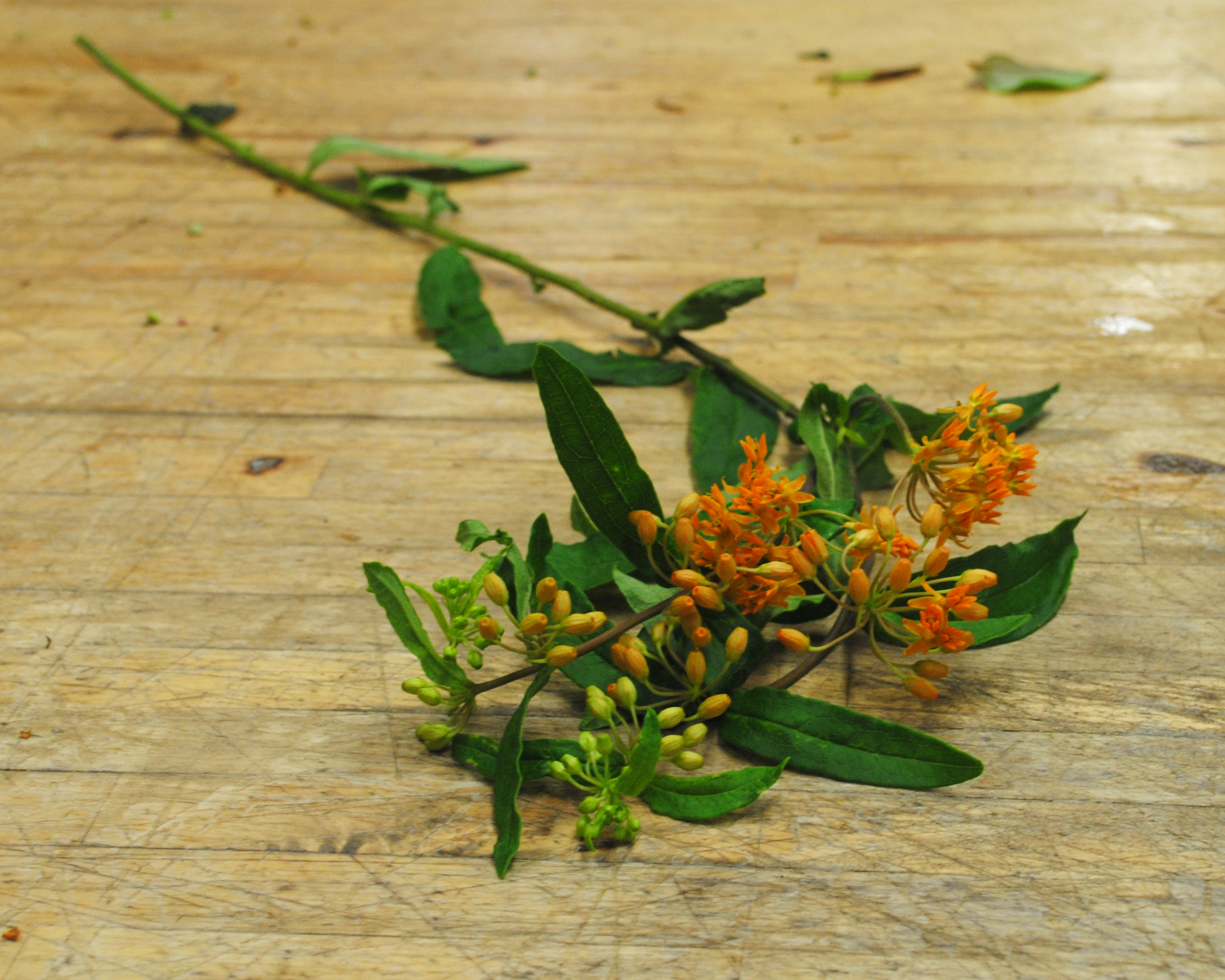
Asclepia is more commonly known as milkweed. This flower is a vital source of nectar for butterflies and has a powerful, sweet fragrance. Asclepia has a particular way of pollinating: when a butterfly lands, its leg slips into a slit on the asclepia flower. Then, when the butterfly takes off, the pollen is pulled free and carried with it to the next flower. Asclepia is one of the only sources of food for the larvae of monarch butterflies – asclepia is a great option for your butterfly garden!

Visual Notes /

Alsclepia is an herbacious perennial. The photo above is of Butterfly bush, but other great varieties available throughout summer, include the pink and white asclepia syriaca, the purple pink asclepia speciosa, and the bright yellow and bicolored yellow-orange asclepia curassavica or tropical milkweed.

Flower History / 

Asclepia gets it’s name from Asclepius, the Greek god of healing, because of the flower’s use in folk medicine. The indigenous peoples of South America and Africa applied the toxic milk of asclepia to their arrowheads. While in North America, people often used the high fructose levels in the plant’s nectar as a sweetener. More recently, during World War II, asclepia filaments were hollowed, coated with wax, and used as an insulator.

Insider Information /

Asclepia is great for the plants surrounding it. It repels a variety of harmful insects, especially wireworms. It also contains toxins that deter caterpillars from doing damage in the garden. As if that wasn’t enough, asclepia also has a beautiful, strong fragrance.


Starbright Logo


Looking for flowers in New York City? Visit our Event Gallery for inspiration. Or see our daily selection at Starbrightnyc.com.

Flower File : Astrantia

Astrantia bloom
Astrantia
Quick Notes /

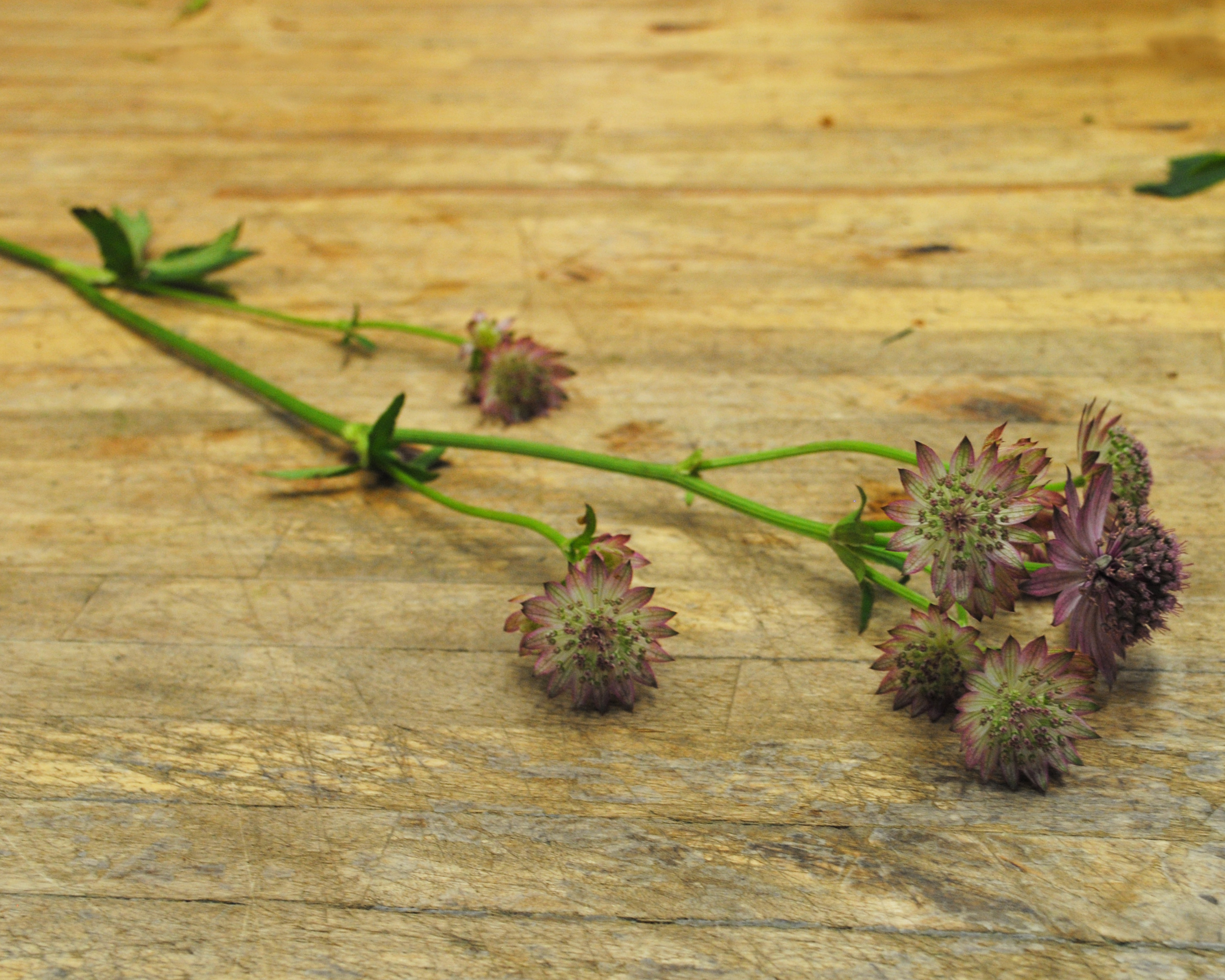
Astrantia is commonly known as masterwort, melancholy gentleman, or Hattie’s pincushion. It is native to the grasslands and meadows of Europe and western Asia, especially in moist areas near rivers or streams. Astrantia is part of the carrot family.

Visual Notes /

Astrantia can grow to be one or two feet tall. The center of the flower resembles a pincushion, and the flowerhead is reminiscent of a star or firework. Hence the name astrantia, from the Greek word “asteri,” meaning star. The petals are beautiful, vibrant summer colors of red, pink, and white. These flowers are the perfect choice for brightening up your home, because they remain vibrant even after they are cut, and will stay healthy in a vase.

Flower History /

Astrantia is an herbaceous flower and has long been utilized for its medicinal qualities. The essential oil that can be extracted from the flower is used to quell stomach pains. The dried leaves of the astrantia flower are also helpful. Used as an infusion, they are thought to amplify the appetite and aid in digestion.

Insider Information /

Astrantia blooms throughout the summer, and exudes a sweet and pleasing fragrance. Not only gorgeous in the summer, these flowers will also brighten up your winter months. They are durable and resilient when dried, and are the perfect choice for a dried flower arrangement. Choose astrantia to bring some summer warmth into the darker months of the year.

Flower File : Echinacea

Echinacea cone
Echinacea cone
Quick Notes :

Echinacea is part of the daisy family. This flower is unique to the areas of eastern and central North America, where you can find it growing in large numbers in open wooded areas and prairies.

Visual Notes :

Echinacea comes from the Greek word “echino,” meaning sea urchin, and the flower is certainly reminiscent of this spiny creature. The center of the flower is a spiky, cone-shaped disk, which leads its other nickname: the coneflower. The purple petals that surround the spiky center are removed before the flower is sold, because the petals are very delicate and bruise easily. Their absence makes the sea urchin-like center of this flower all the more striking.

Flower History :

Echinacea has been used in folk medicine for centuries. Native Americans originally observed this flower being eaten by elks that were sick or wounded. They adopted the flower for their own use in medicinal practices, and called it elk root. It was used to treat a variety of ailments, including sore throats, headaches, and the common cold. Native Americans passed on their knowledge of echinacea to Europeans, and the plant became popular in European medicine in the 1930’s. Feeling under the weather? Echinacea is still used today to boost the immune system. It’s great as a tea, but don’t try to boil anything from an arrangement – these guys have been drinking flower food which makes them unsafe as human food. 

Insider Information :

Echinacea is a great choice if you’re looking for an ornamental or decorative flowers, thanks to its unique appearance. You can find it in bloom from early to late summer. The cone will dry exactly as it looks and is great for decorating. 

Starbright Logo


Looking for flowers in New York City? Visit our Event Gallery for inspiration. Or see our daily selection at Starbrightnyc.com.
Ikebana Flowers

There are many style of arranging flowers, but at Starbright Floral Design Ikebana is one of our favorites. Recognized for it’s emphasis on line, form, and shape, Ikebana arrangements often focus on stems, leaves, and twigs as often as flowers. Minimalist in nature, Ikebana arrangements are based on a scalene triangle, with three prominent points, generally two of which are twigs. Within these parameters, a world of creative expressions are possible.

Ikebana Lily Pad
Ikebana Lily Pad From STarbright Floral Design.

First practiced among Japanese Buddhist monks, and appreciated only by the imperial family and their retainers, Ikebana reached the people by the late 15th century. In the early stages, Ikebana was very simple, featuring a small number of flowers and evergreen branches. Books were written about the style and it was commonly featured in traditionally festivals and exhibitions.

Ikebana Pillar of Destiny

In the 20th century, the three main schools of Ikebana, Rikka, Nageire, and Seika evolved into what is commonly known in Japan as Free Style. Other schools rose as well. Ikebana International shares,

“Koshu Tsujii, a follower of the new moribana, was invited to re-establish a flower school in the Daikakuji Temple in Saga, which still today operates his school as the Saga School. Besides ikebana, the Saga School teaches other Japanese arts such as calligraphy. Choka Adachi initiated an “Adachi Style”, using the moribana form “to arrange flowers like flowers.

At about the same time, another style which translates as the “literati style” began to attract interest because of its free and colorful approach. Originated by Issotei Nishikawa, it led the way to free creative arrangements.

The chief exponent of this free style was Sofu Teshigahara, who founded the Sogetsu School in 1926. Others in this modern movement — which resulted in ikebana being placed elsewhere than only in the tokonoma — included the founder of the Ichiyo School.

The three schools that predominate at the present time are Ikenobo, Ohara, and Sogetsu, but more than two thousand different schools of ikebana are registered with the Japanese Ministry of Education.

Ikebana Aquascape
Ikebana Aquascape

When you receive an Ikebana arrangement, take a moment to pause and contemplate the beauty of nature. These arrangements are meant to remind us that there is wonder in the world around us.

Check out some of our selection at StarbrightNYC.

Starbright Logo


Looking for flowers in New York City? Visit our Event Gallery for inspiration. Or see our daily selection at Starbrightnyc.com.

Flower File : Celosia

Paintbrush Celosia
Paintbrush Celosia


Quick Notes/

There are several types of celosia flowers, but this article will focus on the spicata variety. Celosias are resilient and will stay fresh for a long time after they are cut. They also make beautiful dried flowers, and are a popular choice for potpourri.

Visual Notes/

Celosia blooms in vibrant, citrus colors like pink, magenta, and violet. The flower grows in an elongated cone shape, similar to a wheat head, which is where it gets one of its several nicknames: the wheatstraw. It’s also commonly referred to as the paintbrush variety of celosia because of its shape. Its vibrant pink color has earned it yet another name: flamingo feather.

Flower Facts/

As celosias grow, their flowers bloom upwards and get taller. The petals near the top of the flower have bloomed most recently, while the petals near the bottom of the flower were the first to bloom. As the flowers grow larger, the vibrant pink color spreads upwards. The brightest colored petals can be found at the top of the flower, while the petals near the stem may lose their citrus shades and take on instead a silvery sheen.

Insider Information/

The name also comes from the Greek word “kelos,” which means burning, and describes the flame-like colors of the flowers. Silvery celosia takes color very well, and can be dyed a wide range of hues. Their strong stems make them especially resilient.


Starbright Logo


Looking for flowers in New York City? Visit our Event Gallery for inspiration. Or see our daily selection at Starbrightnyc.com.